Ads1

Wednesday, February 10, 2021

Speed and Turn Limits to Boost Safety on Tenderloin Streets

Speed and Turn Limits to Boost Safety on Tenderloin Streets
By Benjamin Barnett

The SFMTA is undertaking two new traffic safety improvements as a part of our Tenderloin Traffic Safety project: (1) prohibiting vehicle turns on red at approximately 54 intersections and (2) reducing vehicle speed limits to 20 miles per hour on 17 corridors.
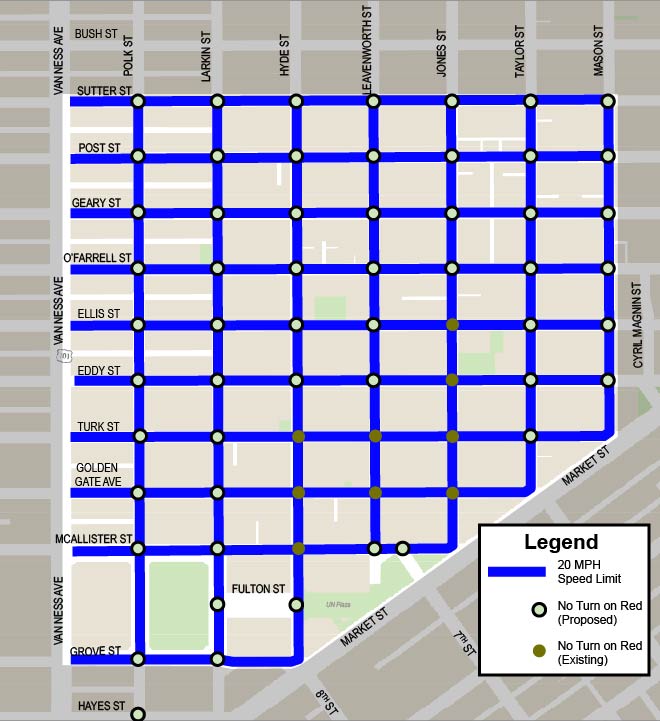
Map showing speed limit reduction to 20mph neighborhood-wide between: Grove Street (south), Sutter Street (north), Mason Street (east), and Van Ness (West). Showing no turn on red regulations neighborhood-wide inclusive of Grove Street (south), Sutter Street (north), Mason Street (east), and Polk Street (west)

(Accessible Engineering details)

Map identifying all Tenderloin corridors and intersections where 20 mph speed limits and No Turn on Red will be implemented.

The Tenderloin is home to many of our most vulnerable communities including historically marginalized groups such as people with disabilities, communities with limited-English proficiency and those living in single-room occupancy hotels (SROs) and supportive housing. At the same time, every single street in the Tenderloin is a part of the city’s High Injury Network -- the 13 percent of San Francisco streets that account for 75 percent of severe traffic injury collision and fatalities. The gravity of the situation in the Tenderloin means we cannot delay taking actions that will improve safety for everyone in this critical neighborhood.

No Turn On Red
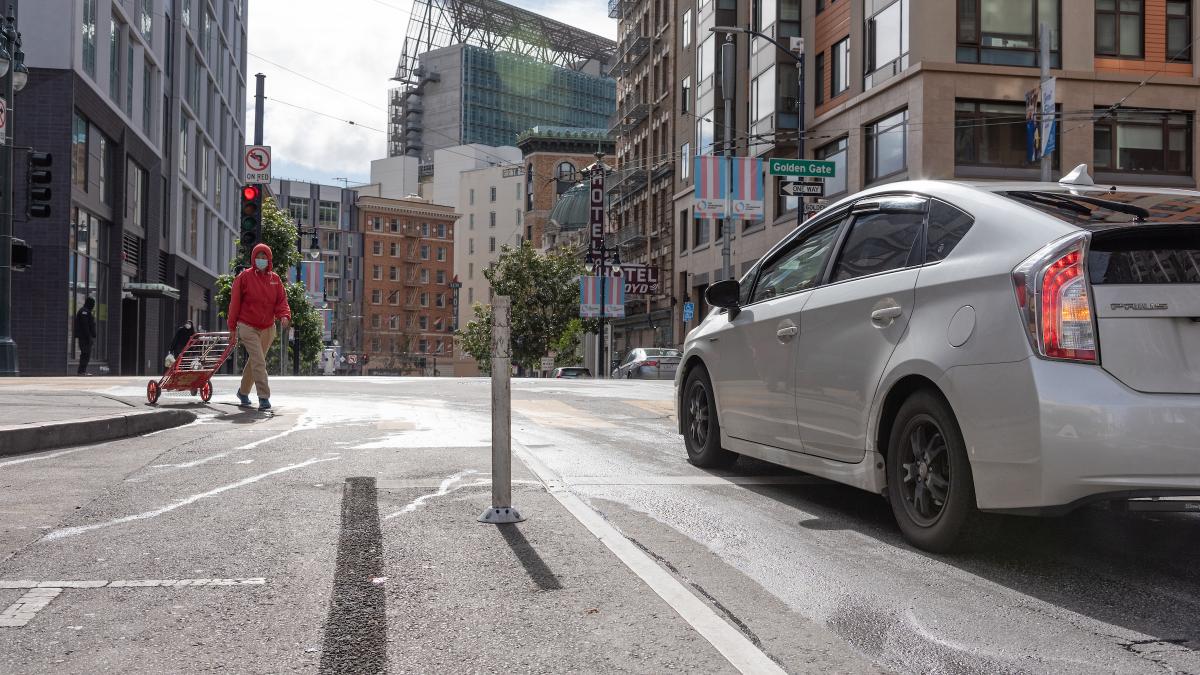
Photo of no turn on red sign at intersection of Golden Gate and Jones

Prohibiting turns while facing a red traffic signal is a proven method for reducing intersection conflicts. This includes both right turns and legal left turns from one one-way street to another. We will be piloting this new program at approximately 54 intersections in the Tenderloin. The program doesn’t include intersections that already have an existing turn prohibition, pedestrian scramble or are not signalized.

Turning on red may be the norm in many driving situations, but should not be on bustling Tenderloin streets. In a study conducted by Department of Public Health and SFMTA of crashes at signalized intersections, turns on red accounted for nearly 20% of turn-related crashes. These were largely clustered in the Tenderloin.

Heavy vehicular traffic in the Tenderloin provides little opportunity for drivers to safely make the turn on red, which leads to vehicles blocking crosswalks while drivers look left trying to find a gap in oncoming traffic. Drivers quickly executing their turn may fail to see a pedestrian legally crossing from the right which can result in an injury collision.

The legislative process for the No Turn on Red program will start in early 2021, with an expected Spring 2021 rollout. No Turn on Red signs will be posted on signal mast arms and poles notifying motorists of the prohibition.

20 mph Speed Limits

Another innovative approach we are taking to make the Tenderloin a safer place for pedestrians is lowering the speed limit from 25 mph to 20 mph. We will put this limit into effect on every corridor in the neighborhood. Vehicle speed is the number one predictor of crash severity. A pedestrian struck at 20 mph versus 25 mph has double the chance of survival. Lowering speed limits to better reflect conditions in the Tenderloin will provide tangible safety benefits in advance of any future engineering changes that can be made. For example, a recent study from Seattle, Washington demonstrated that posting new, lower limits led to reductions in speeds and collisions, even in the absence of streetscape or enforcement changes.

Learn More

For more details, please visit our project page, where you can also read about the community partners who were vital in planning these improvements.


Published February 10, 2021 at 10:14PM
https://ift.tt/3qleMlK

Tuesday, February 9, 2021

Time to Park? Know Your Meter

Time to Park? Know Your Meter
By Jonathan Streeter

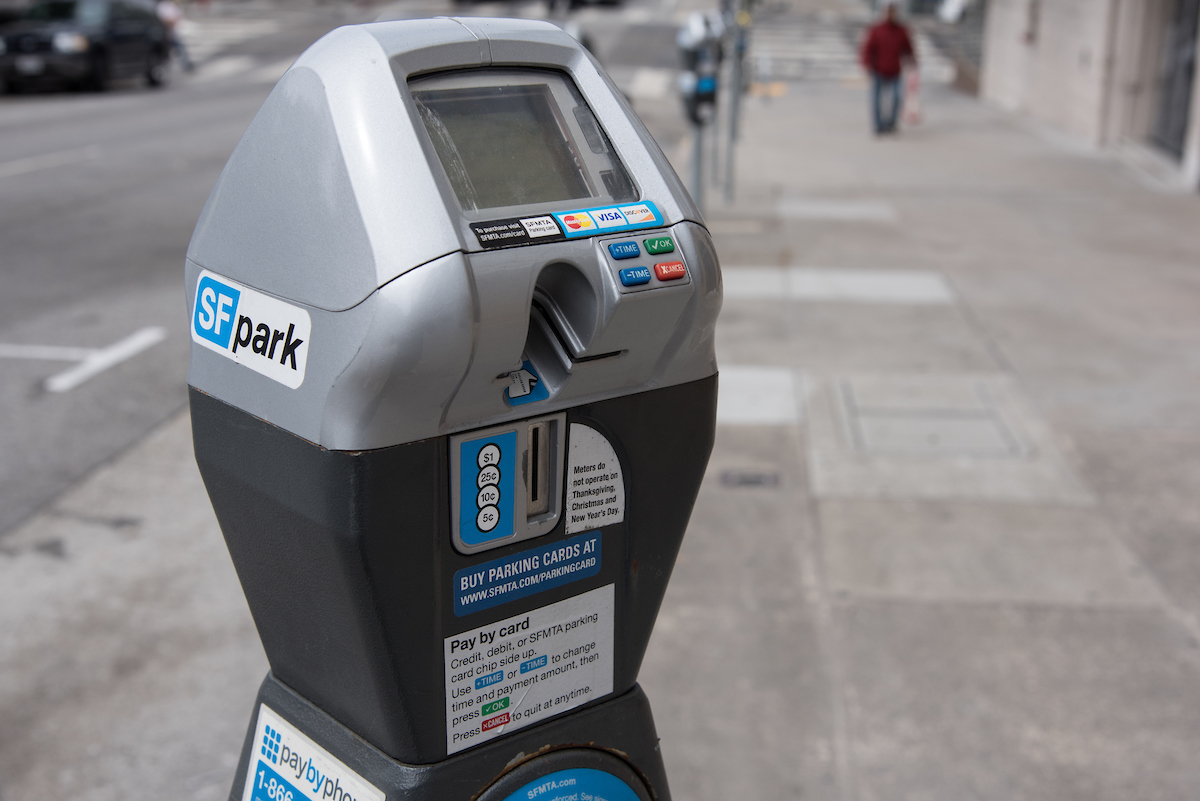
image of a parking meter

Meters help businesses and others in high demand areas of San Francisco by ensuring that people driving cars will use just the amount of time they need when parking.  As such, the SFMTA recently made a simple but important update to how parking meters operate when paying for parking with a credit card.

Now, when paying by credit card, the meters will default to two hours of parking time. The previous default credit card charge was $0.25. In many areas of the city, that provides a few minutes of parking!  While the new default is 120 minutes, customers may still choose the precise amount of time they want to park by using the up and down buttons on the meter.  For example, if a customer wants to park for only 15 minutes, they may use the down button until the correct amount of time is selected. Previously, a customer would have to use the up button to increase the amount of desired time.

The change to the credit card default was made for a few reasons:

  • The average time cars park at meters is around an hour and a half.  Most customers were required to press the “up” button repeatedly in order to get to their desired amount of parking time.
  • Before this change, parking meters saw a very high number of $0.25 transactions—many of those are likely customers who didn’t realize they would only be charged for just a few minutes of parking time if they did not use the up button to increase the amount of time needed.  When customers purchase the minimum amount of time without realizing it, they risk getting a ticket. By defaulting to an amount of time closer to the average time purchased, we hope to help more people avoid parking tickets for an expired meter.  Under the new default, we’ve seen a significant decline in $0.25 credit card transactions.
  • Customers who accidentally purchase only $0.25 worth of time often must immediately complete another transaction to purchase the amount of parking time they want.  When customers make two separate transactions, the city is charged two transaction fees.  Increasing the default time helps avoid double transactions and double fees. 

And please note: this change applies only to credit or debit card payments: the payment procedure for cash or pay-by-phone has not changed.

For more information visit our parking meter web page.


Published February 09, 2021 at 11:21PM
https://ift.tt/2MQet3V

Monday, February 8, 2021

More Inspired Virtual Backgrounds from Muni Art

More Inspired Virtual Backgrounds from Muni Art
By Sophia Scherr

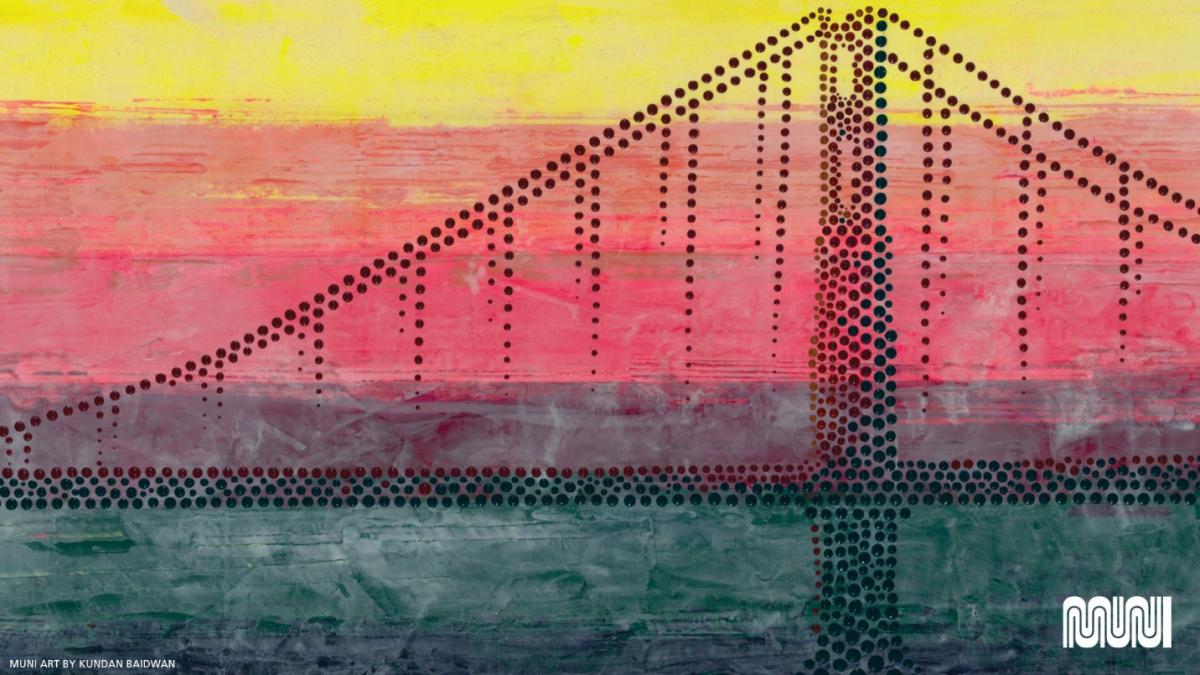
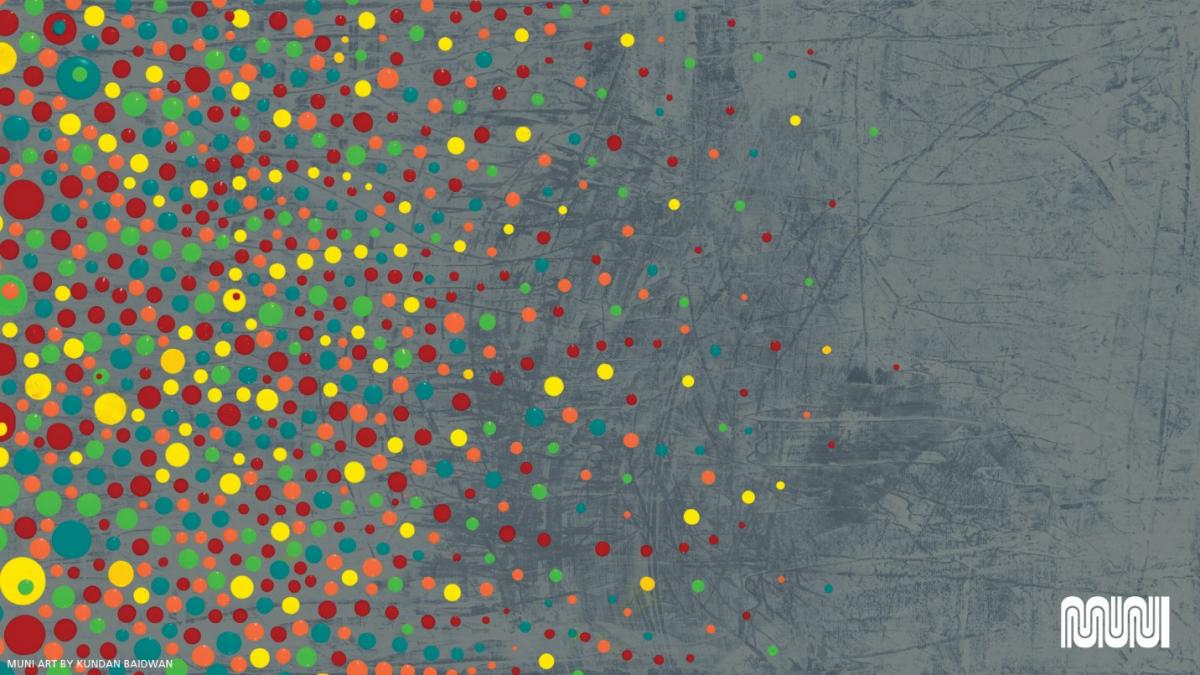
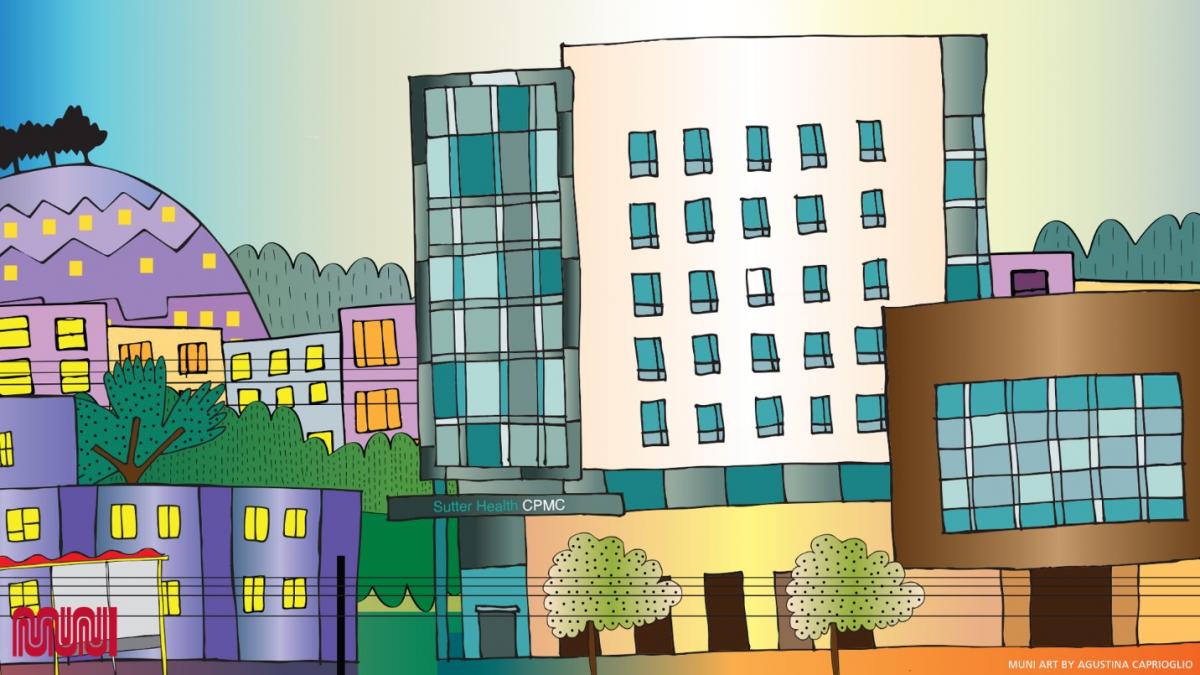
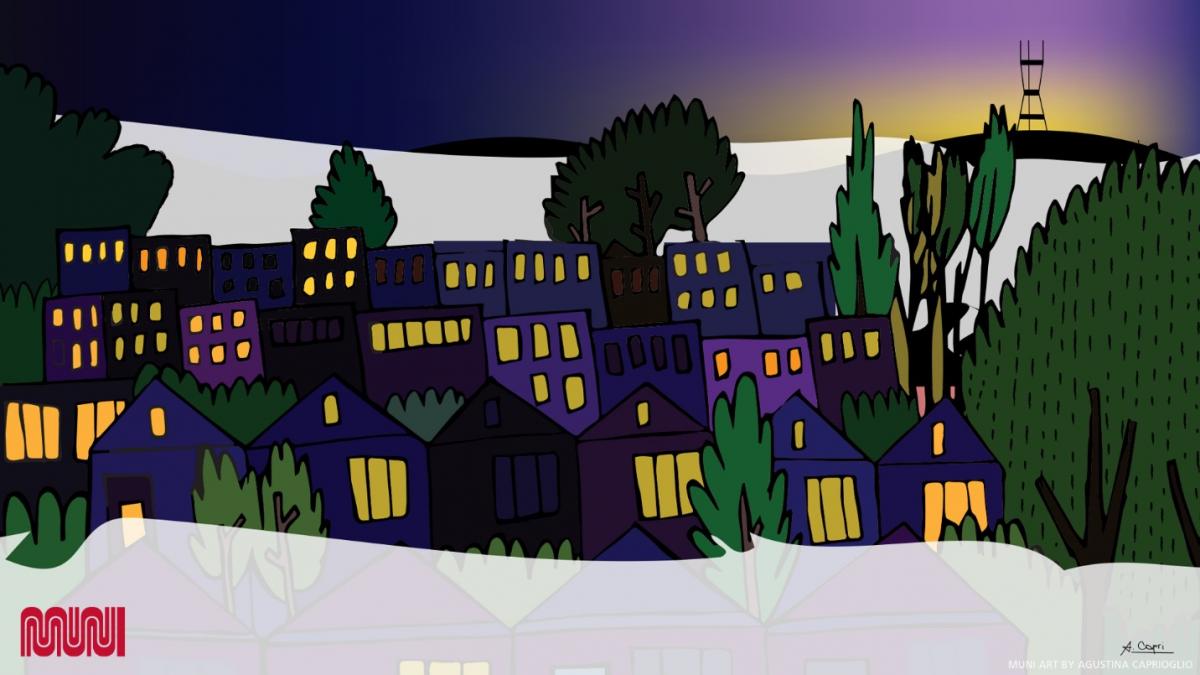
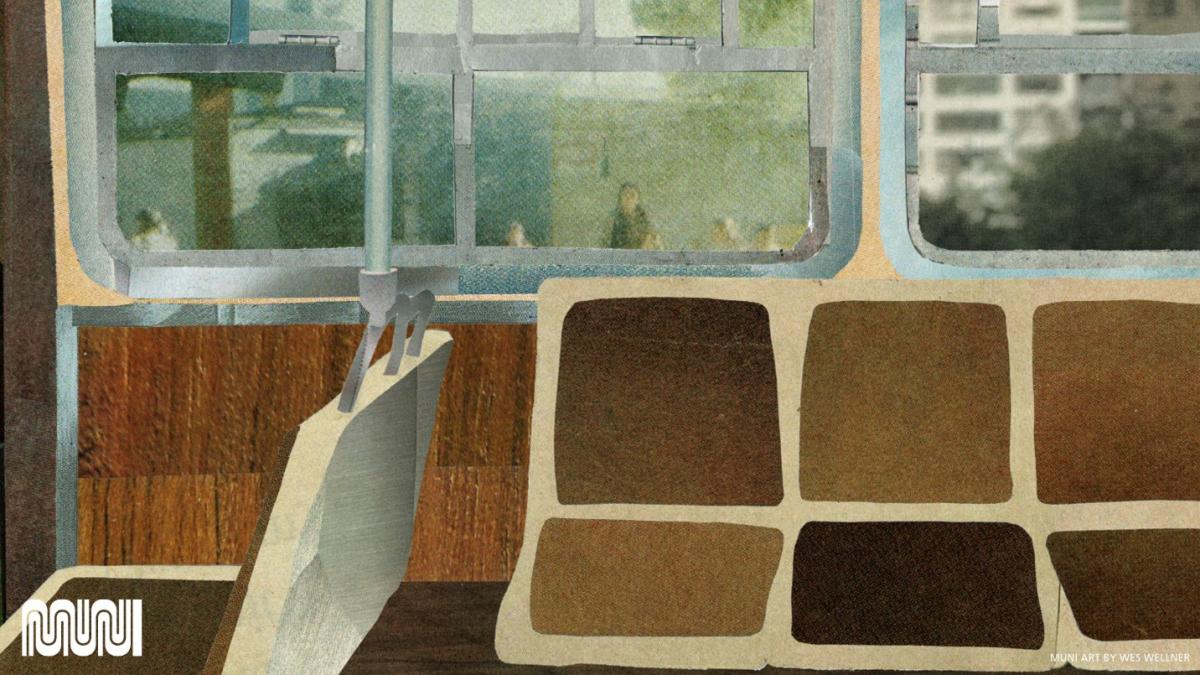
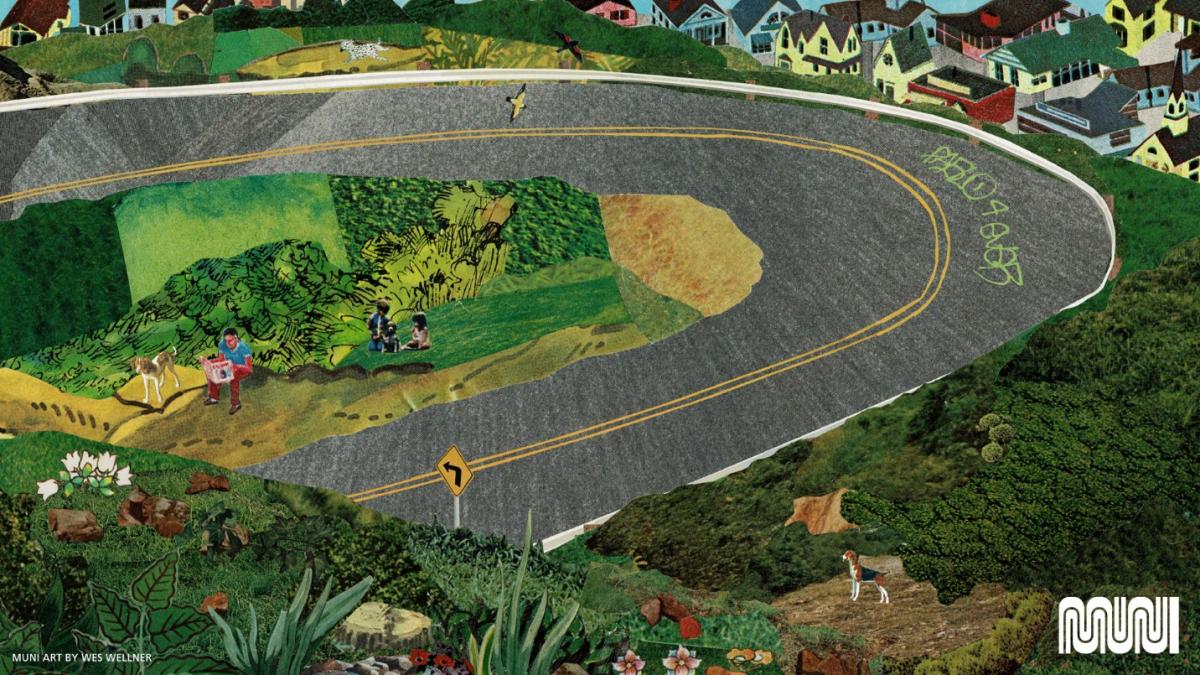
Whether you're working, teaching, learning or socializing on-line, you can now do it in style by showing up to your next virtual meeting with the new Muni Art 2021 backgrounds. Download, save and use the Muni Art backgrounds for any of your preferred video chatting platforms and brighten someone’s day. 

Click on any of the images below and when it opens in a new tab, save to your device.

For the latest COVID-19 related transit updates please visit SFMTA.com/COVID-19. We hope that you and your family continue to stay safe.

Kundan Baidwan

Artwork by Kundan Baidwan

artwork by Kundan Baidwan

Artwork by Kundan Baidwan


Agustina Caprioglio

Artwork by Agustina Caprioglio

Artwork by Augustina Caprioglio


John Keating

Artwork by John Keating

Artwork by Deirdre Weinberg

Artwork by Deirdre Weinberg


Wes Wellner

Artwork by Wes WellnerArtwork by Wes Wellner

Artwork by Wes Wellner

Artwork by Wes Wellner


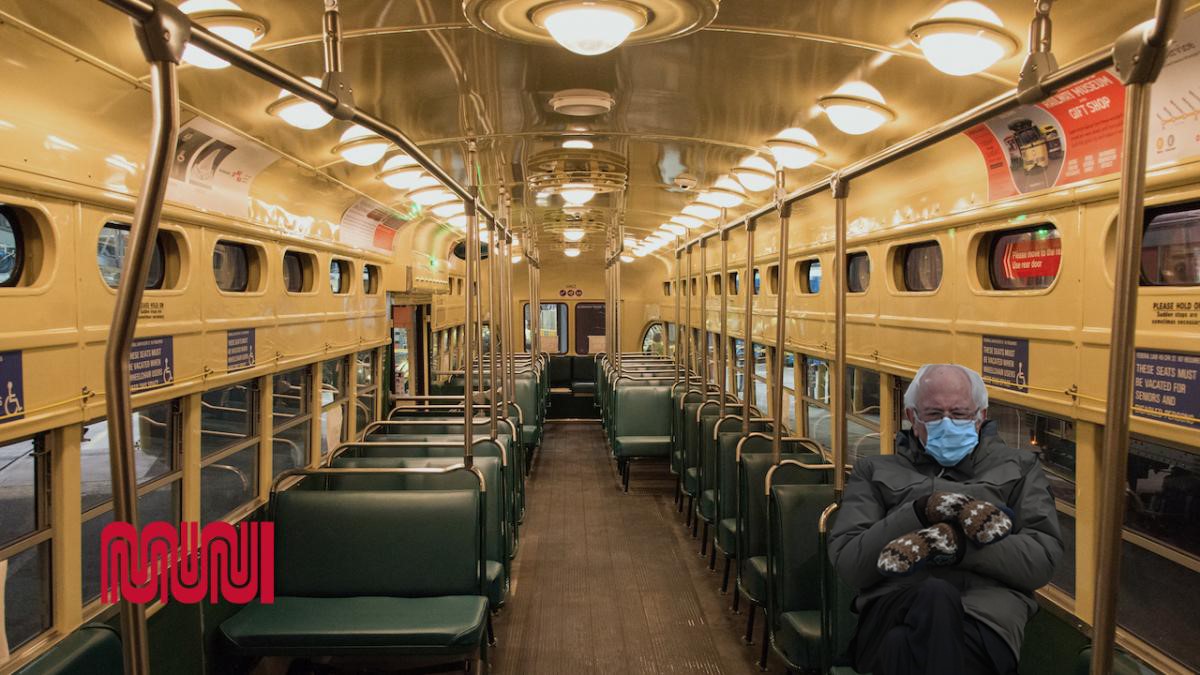
Bonus Easter Egg: Senator Bernie Sanders on the F line

Photo of F Line car interior with an image of Senator Bernie Sanders superimposed


Published February 09, 2021 at 12:53AM
https://ift.tt/3q0FJes

Friday, February 5, 2021

What’s New in the Richmond? Transit Lanes to Support the 38 Geary

What’s New in the Richmond? Transit Lanes to Support the 38 Geary
By Jade Moy

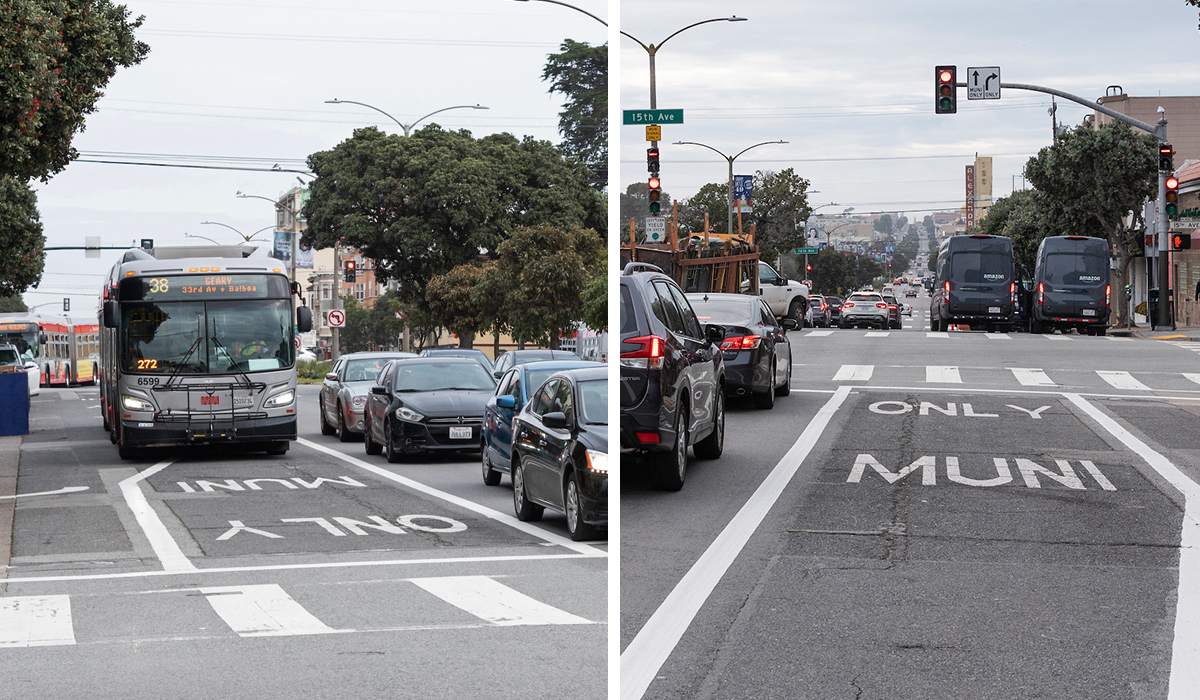
Notice something new in the Richmond? We recently installed new transit lanes on segments of Geary Boulevard between Stanyan Street and 33rd Avenue as part of the Temporary Emergency Transit Lanes program. This project extends the existing transit lanes that we installed as part of the Geary Rapid Project between Stanyan and Market streets. Now, more than 75% of Geary Boulevard benefits from transit lanes, increasing overall transit-lane miles by 50%.

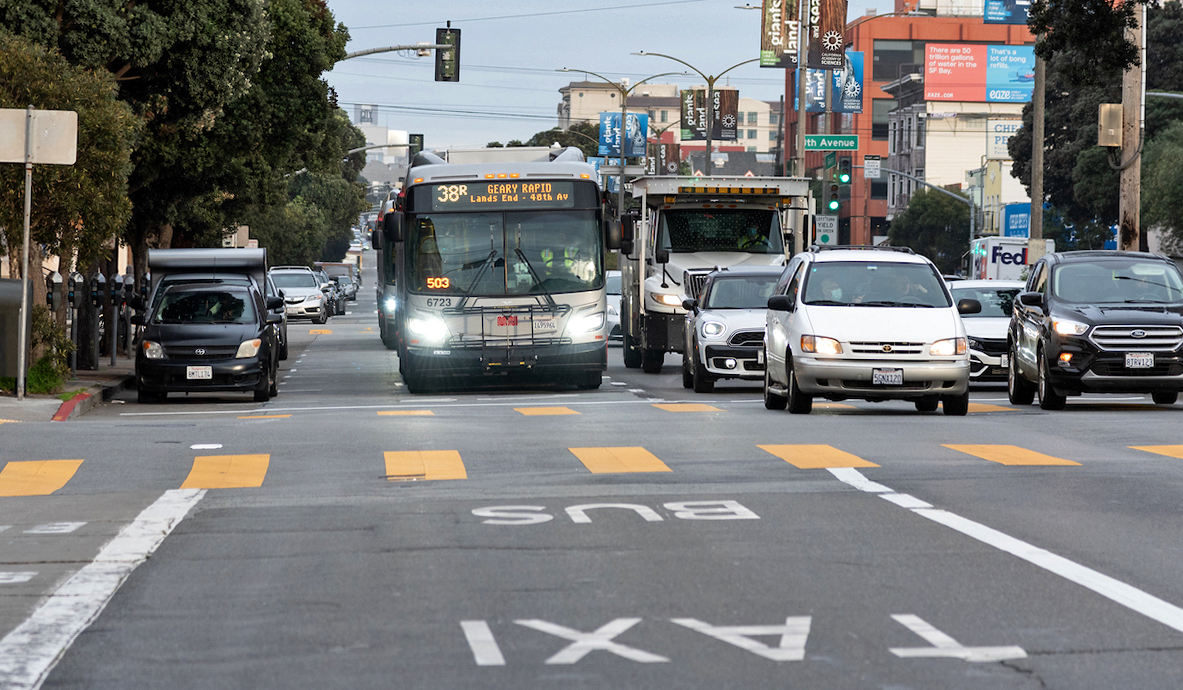
Photo of 38 Geary bus approaching an intersection

The Geary Boulevard corridor provides neighborhoods with vital services such as medical centers, grocery stores and other essential businesses. During the pandemic, the 38 Geary bus route has continued to serve about 18,000 daily riders making essential trips. Our new transit lanes help keep buses moving to reduce crowding and travel times for people who still depend on transit to get around the city.

When buses aren’t competing with traffic, they can stay more evenly spaced apart and complete routes more quickly, providing more frequent service and reduced crowding with the same number of buses. You don’t have to live in the Richmond to reap the rewards—reducing delays on any part of Geary Boulevard means that buses can run more frequently, which benefits passengers along the entire route.

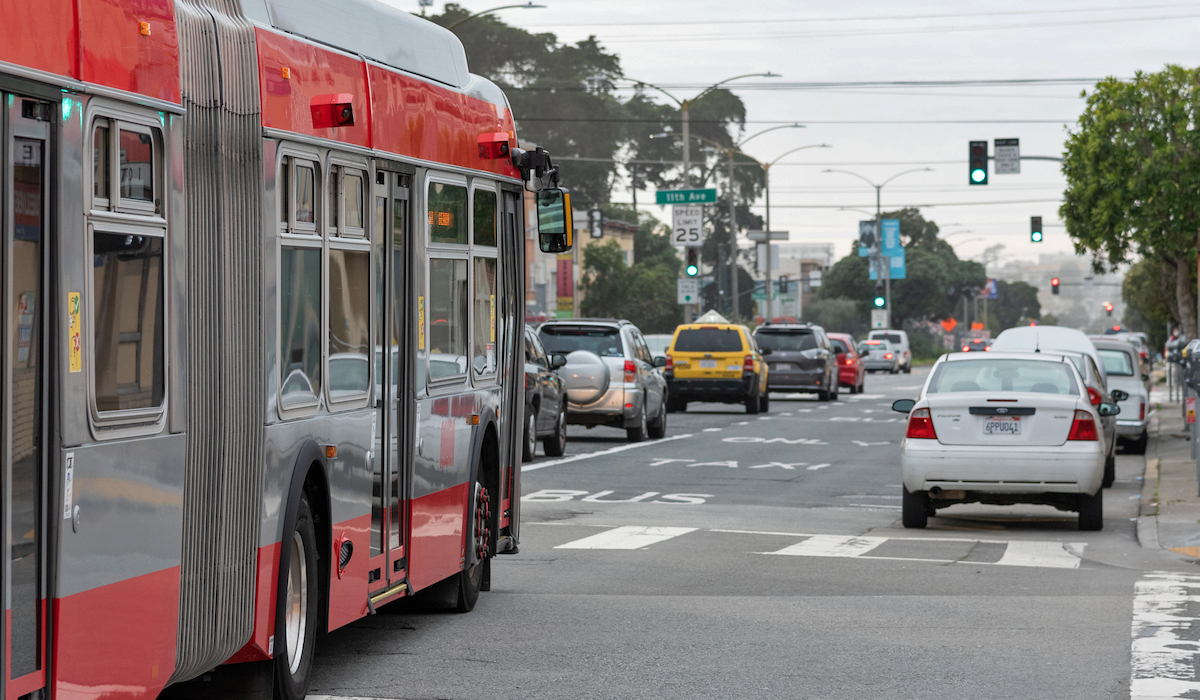
photo of Temporary curbside transit lanes striped with white paint and “Bus/Taxi Only” stenciling and signage.

Temporary curbside transit lanes have been striped with white paint and “Bus/Taxi Only” stenciling and signage.

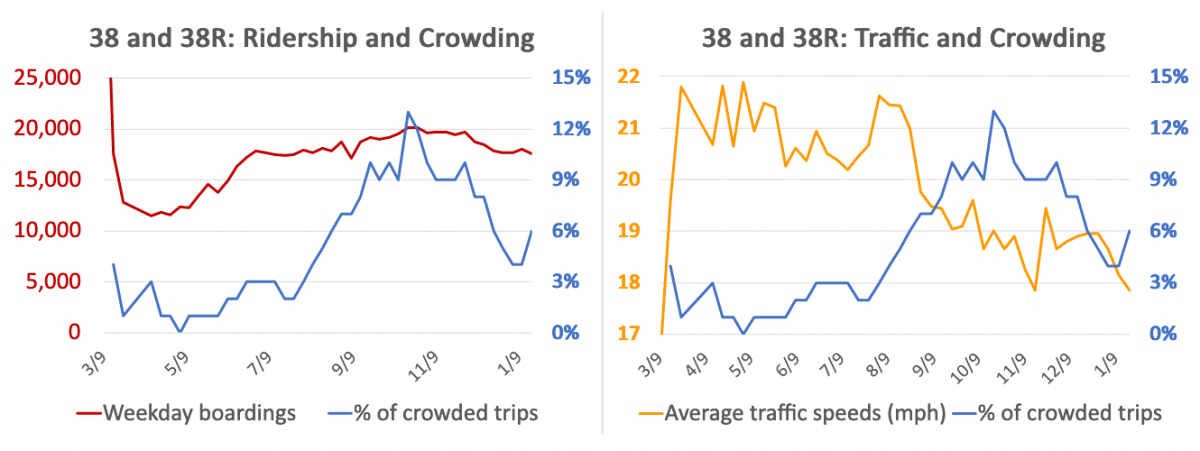
Transit lanes are especially important at a time when physical distancing requirements mean Muni buses can only carry one-third of the passengers that they could previously. Over the summer, as congestion increased and auto speeds slowed, crowding (by COVID-19 capacity standards) began increasing on the 38 Geary and 38R Geary Rapid . This occurred despite ridership numbers staying relatively flat, as buses became delayed in traffic.

Looking forward, as more of the economy re-opens, the new temporary transit lanes will help us avoid crowding without adding additional buses or operators. This is critical at a time when the SFMTA is facing major revenue shortfalls and has limited resources.

Two charts. While ridership remained stable in late 2020, the number of crowded trips (per COVID standards) increased (left chart). This crowding occurred as traffic speeds have slowed (right chart).

While ridership remained stable in late 2020, the number of crowded trips (per COVID standards) increased (left chart). This crowding occurred as traffic speeds have slowed (right chart).

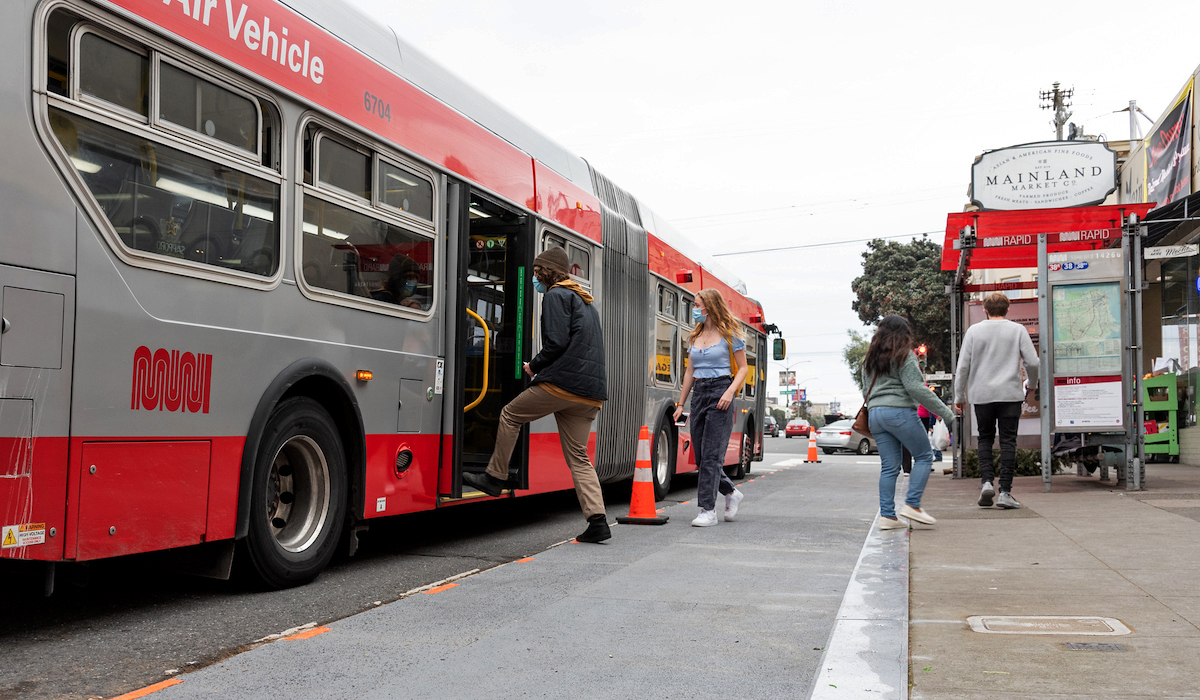
In addition to transit lanes, the Geary Boulevard project also includes other improvements. We placed temporary wooden sidewalk extensions (known as bus bulbs) at bus stops at 25th, 20th and 6th avenues. These allow buses to stop without pulling in and out of traffic and provide more space for people waiting. To give buses a head start on general traffic, we installed special Muni-priority traffic signals at the intersections of 25th, 20th and 15th avenues.

Photo of new temporary bus bulb on Geary Boulevard at 20th Avenue that allows buses to stop without pulling to the curb.

This new temporary bus bulb on Geary Boulevard at 20th Avenue allows buses to stop without pulling to the curb.

Next, we will evaluate the temporary emergency transit lanes—including looking at Muni travel times, crowding and impacts to traffic and parking—to determine how well they’re working and whether to pursue making them permanent, potentially with adjustments or additions.

Let us know what think about the new transit priority treatments on Geary. Whether you ride the bus, drive or walk on Geary Boulevard, we want your feedback. Take our survey at SFMTA.com/38Survey

For details on the project and to register for updates, visit our website

Photo of a special head-start transit signal that gives buses the jump on general traffic at the intersection of Geary Boulevard and 15th Avenue.

A special head-start transit signal gives buses the jump on general traffic at the intersection of Geary Boulevard and 15th Avenue.


Published February 06, 2021 at 01:23AM
https://ift.tt/2N3qHWD

Thursday, February 4, 2021

Celebrating the Life and Legacy of Rosa Parks

Celebrating the Life and Legacy of Rosa Parks
By Sophia Scherr

Photo of Rosa Parks

“Stand for something or you will fall for anything. Today’s mighty oak is yesterday’s nut that held its ground.”

Today, we celebrate the legacy of civil rights icon, Rosa Parks. 66 years ago, Rosa kept her seat on a Montgomery bus, was jailed and fined $10, thus sparking the Montgomery Bus Boycott. A catalyst for the Civil Rights Movement, Rosa’s groundbreaking act proves how change can be made through the protest and civil action of everyday people. This day also reminds us of the progress and work that is still needed to ensure equity for all.

In commemoration of the start of Black History Month and to honor Rosa Parks and her courage a plaque in her honor has been installed on a bus to mark this historical civil rights event. Our Black Women in Transit history campaign celebrates those extraordinary individuals who have demonstrated a commitment to civil rights in transportation. You can find the stories of Rosa Parks and other groundbreaking figures system-wide throughout Black History Month.


Published February 04, 2021 at 11:08PM
https://ift.tt/3rnwxkF

Wednesday, February 3, 2021

Vision Zero Look Ahead

Vision Zero Look Ahead
By Erica Kato

With Vision Zero, our goal is straight-forward: traffic deaths are not just preventable, they’re unacceptable and we must work to eliminate them. One death on our streets due to traffic violence is one death too many. 

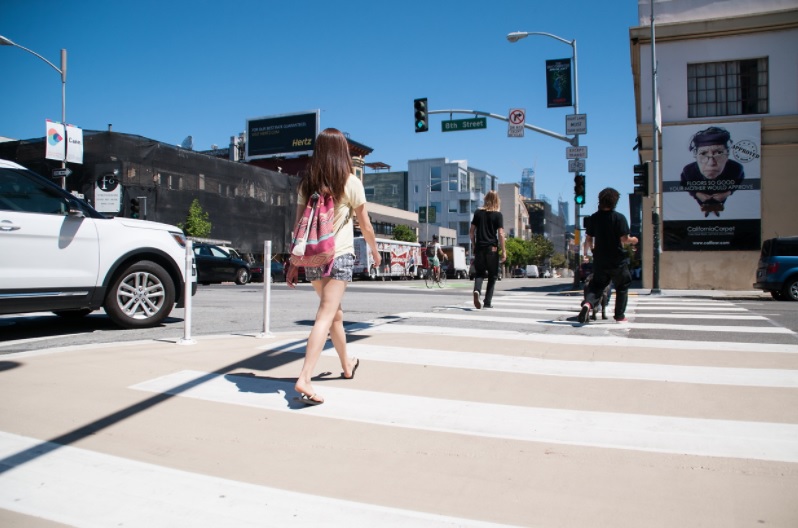
People using pedestrian safety zone on 8th Street that creates a shorter and safer crosswalk

People using pedestrian safety zone on 8th Street that creates a shorter and safer crosswalk

The advent of the COVID-19 pandemic in early 2020 had a significant and unprecedented impact on travel in San Francisco throughout the year.  Unfortunately, as traffic volumes dropped, we witnessed an increase in both traffic speeds and dangerous driving behavior. While the number of traffic injuries in San Francisco decreased in 2020 compared to 2019, the number of traffic deaths remained tragically unchanged.

Nationally, traffic fatalities have increased in major cities, including many of our Vision Zero peers like Portland, New York City and Philadelphia.  In San Francisco we experienced an increase in solo-driver fatalities and motorcycle fatalities, and a decrease in pedestrian fatalities.

First adopted by the mayor and the Board of Supervisors in 2014, the aim of Vision Zero is to eliminate traffic deaths and reduce severe injuries in San Francisco. The policy remains the guiding safety principle for SFMTA, as well as for our partners in the Department of Public Health, the San Francisco Police Department, and all of our Vision Zero partners.

Despite the pandemic and local shelter-in-place orders, the SFMTA completed more than 80 miles of street safety improvements citywide in 2020. More than 30 miles of these improvements were made on the High Injury Network (a network of streets that accounts for 75% of severe and fatal traffic collisions). This includes 6.5 new miles of protected bikeways, more than 300 continental crosswalk upgrades, 11 miles of city streets with slower speed limits, more than 150 signals upgraded additional crossing time for people walking, and more than 60 signals upgraded with leading pedestrian intervals.

We are committed to reaching our Vision Zero goal of zero fatalities in San Francisco.

Our Vision Zero approach in 2021:

Looking ahead, we will continue focusing in 2021 on proven tools to save lives, especially focused on slowing speeds since speed is a leading factor in severe and fatal injuries in SF. These tools include:

    • Exercising local authority to slow speeds, including establishing slow senior zones and 20 MPH speed limits on Market Street and other High Injury Network streets
    • Advancing quick build projects (more than 10 quick builds are in the pipeline for 2021, including two in the Tenderloin)
    • Implementing citywide programmatic work on the High Injury Network, such as daylighting (removing parking at intersections to improve visibility).

We know we can’t get to zero deaths from traffic crashes without a transformative policy agenda, so we will continue to pursue state legislative change to give us more authority over how speed limits are set in San Francisco and to see the ability to implement speed safety cameras for enforcement.

San Francisco’s multiagency, multidisciplinary team will be updating the Vision Zero Action Strategy in 2021. We want to know your ideas and priorities for safer streets and will be sharing a survey soon to gather your input.

For more information, please visit our website: visionzerosf.org


Published February 03, 2021 at 10:03PM
https://ift.tt/3pRqbda

Tuesday, February 2, 2021

Nearly 300 Muni Drivers Celebrated for Extraordinary Safety Record

Nearly 300 Muni Drivers Celebrated for Extraordinary Safety Record
By

Very few drivers can make the claim they have successfully navigated the congested streets of San Francisco for years on end without having any preventable safety incidents. But 299 of the SFMTA's 2,500 Muni operators can proudly say they have done so for at least 15 years, and some for decades. This month these operators get a token and patch to wear, honoring the Safe Driver record.

Recognizing these employees, Director of Transportation Jeff Tumlin stated that, "Safety is SFMTA's number one priority. It is my privilege to honor this year's Safe Driver Award recipients. These professionals deliver for the people of San Francisco and lift up the entire agency. Safe Drivers, thank you for your dedication and your service.”

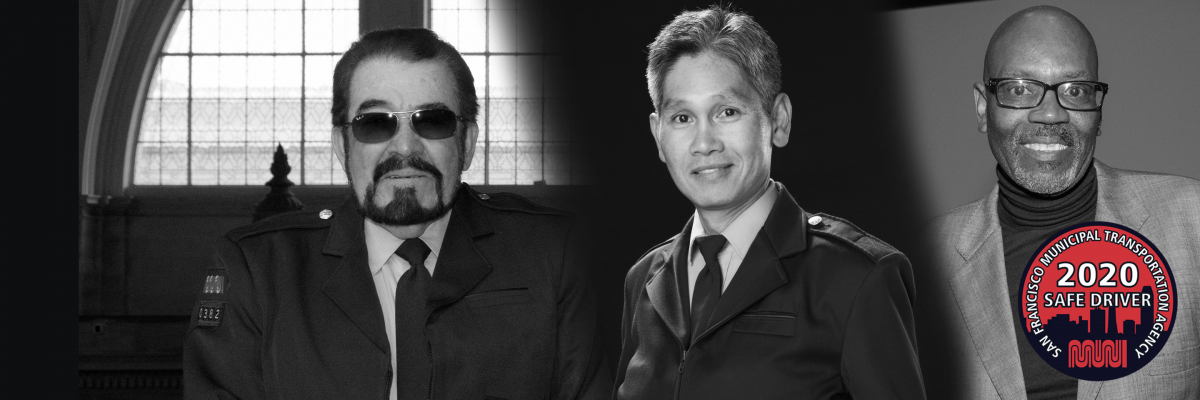
Photos of Oliverio Valle, Lonnie Moore and Jason Lao

Safe Driver honorees with a remarkable record of 35 or more years. From left to right: Oliverio Valle, Cable Car Division, 46 Years; Lonnie Moore, Jr., Green Division, 43 years; Jason Lao, Green Division 36 years.

What Constitutes a Safe Driver?

Simply put, a safe driver is an operator who has driven a minimum number of qualifying hours each fiscal year with no avoidable safety incidents.  To earn the 2020 Safe Driver Award, operators must have driven at least 1,387 hours during the past fiscal year without a preventable incident (adjusted to account for the service reductions that occurred due to COVID-19).

For operators meeting the strict safety guidelines, 2020 posed unique challenges. "Our transit operators have endured some of the most difficult situations that we have ever had to face," said Roger Marenco, president of Transport Workers Union Local 250A. "In 2020, our operators showed that they were ready, willing and able to fulfill their duties as disaster service workers in the midst of a pandemic. By putting their health and safety on the line, our operators were able to keep our city moving by providing one of the most important services: public transportation."

The COVID-19 pandemic required the SFMTA to adjust Muni operations in order to keep both operators and customers safe. Between new face covering requirements and limits on the number of customers per vehicle, operators were asked to quickly adapt to an ever-changing environment. In addition, we implemented a new core service plan in April, with several updates throughout the year, that meant operators needed to adjust to new routes, new equipment or both.

Make no mistake, Muni operators take this Safe Driver honor, and the patches they receive, very seriously. It's a big deal. Navigating a 40-foot vehicle or longer, through 49-square miles of hilly, winding San Francisco terrain is no easy task. Add navigating traffic with ride-share vehicles, private and commercial vehicles, taxis, bicycles, scooters and pedestrians into the mix and the challenges escalate quickly.

Honoring Safe Drivers

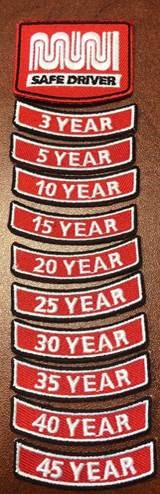
Photo of Safe Driver patches

The initial patch is given after three years of safe driving. Subsequent tab-style patches are presented in five-year increments and are worn on their uniform sleeve.

The SFMTA relies on thousands of operators who provide safe daily service to customers throughout the entire Muni network. "Congratulations 2020 Safe Drivers," said Julie Kirschbaum, SFMTA Transit Director. "You have demonstrated an extraordinary commitment to safety during a very challenging year. While we cannot celebrate in person this year, your accomplishment does not go unnoticed. Thank you for all that you do to safely move our customers throughout San Francisco."

Image of safe driver tokens

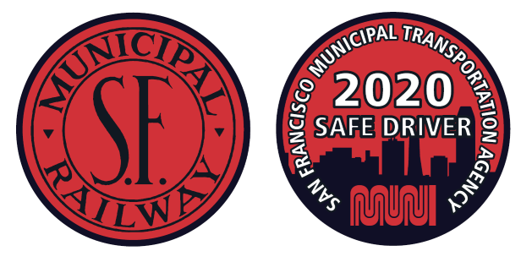
The 2020 Safe Driver Award Token harkens back to the SF Municipal Railway tokens that were introduced for fare payment in the 1940s.

We honor not just these 299 extraordinary individuals, but all of those who work so hard to make safety the standard by which we operate.


Published February 02, 2021 at 11:14PM
https://ift.tt/3oCM7Hf